Attic mold often starts with roof leaks or humidity that lingers above the ceiling line longer than it should.
This page focuses on attic mold on sheathing, rafters, roof edges, and nearby insulation after leaks, trapped humidity, or ventilation issues.
- Built for roof leak, attic humidity, and dark sheathing stain concerns
- Useful when the problem is above the living area but tied to indoor odors below
- Connects attic cleanup with roof, ventilation, and insulation questions
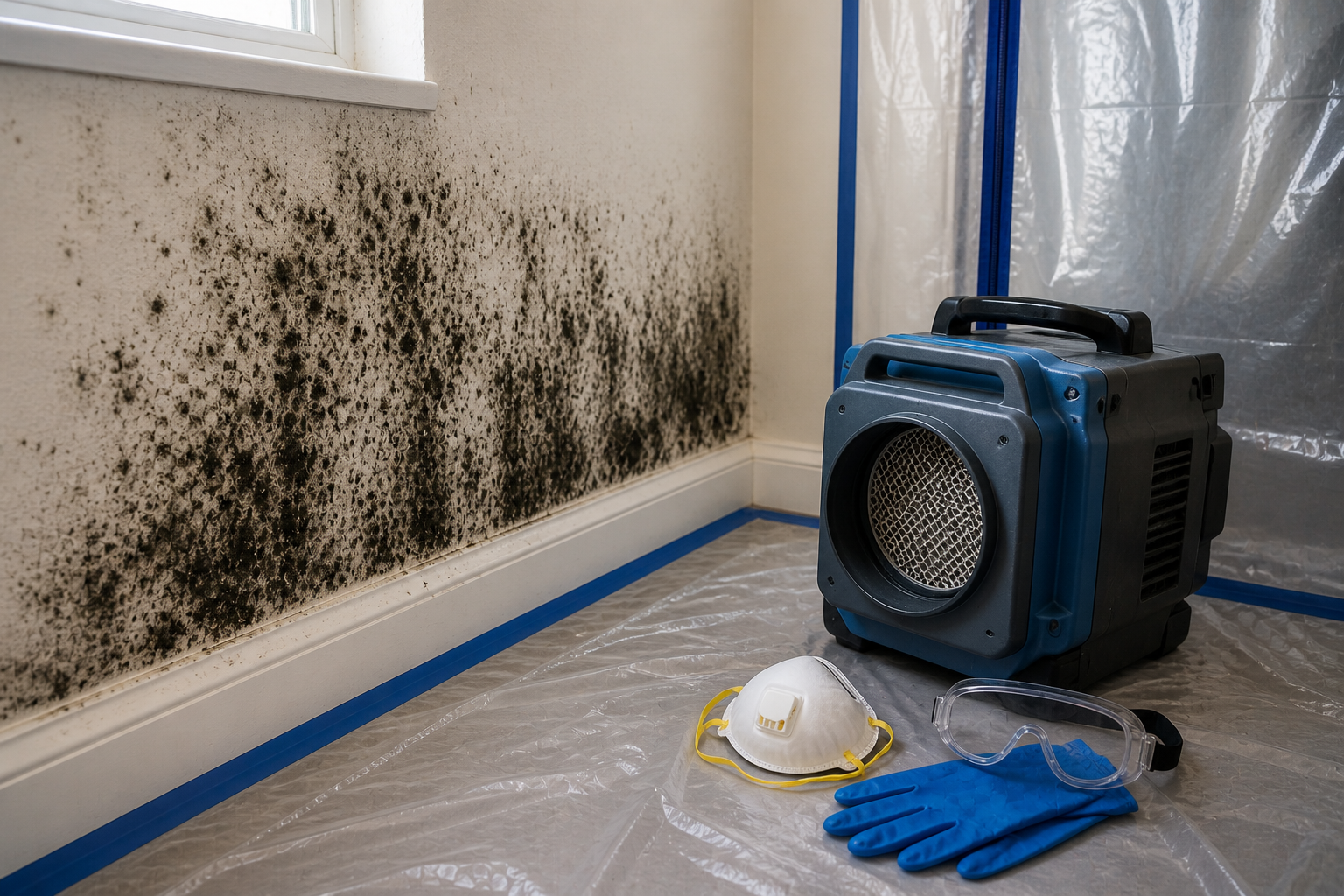
What attic mold removal usually needs to sort out first.
Roof leak damage
Repeated water entry can stain sheathing and supporting materials long before the issue becomes obvious in the room below.
Ventilation problems
Trapped heat and humidity can keep the attic damp enough for mold to form even without a major active leak.
Insulation concerns
Wet insulation can hold moisture and make the attic smell worse over time.
Material spread
The issue may involve one roof area or multiple surfaces depending on the leak path and humidity pattern.
- Roof leaks, plumbing leaks, and hidden wall moisture
- High humidity in crawl spaces, bathrooms, and attics
- Drywall, insulation, and trim that stayed wet too long
- Musty odors that keep returning after surface cleaning
- Visible dark staining that may point to a larger scope
What the next step usually looks like.
Review where the staining appears
Location matters because ridge lines, roof edges, and valleys often behave differently.
Connect the attic mold to the moisture source
Roof leaks and ventilation problems are common, but insulation and condensation may play a role too.
Set the cleanup and repair path
The next step may involve cleanup, material decisions, and repair planning for the roof or ventilation source.
Need to talk through this mold problem by phone?
Call with the room, the moisture source, and what the materials look like now.